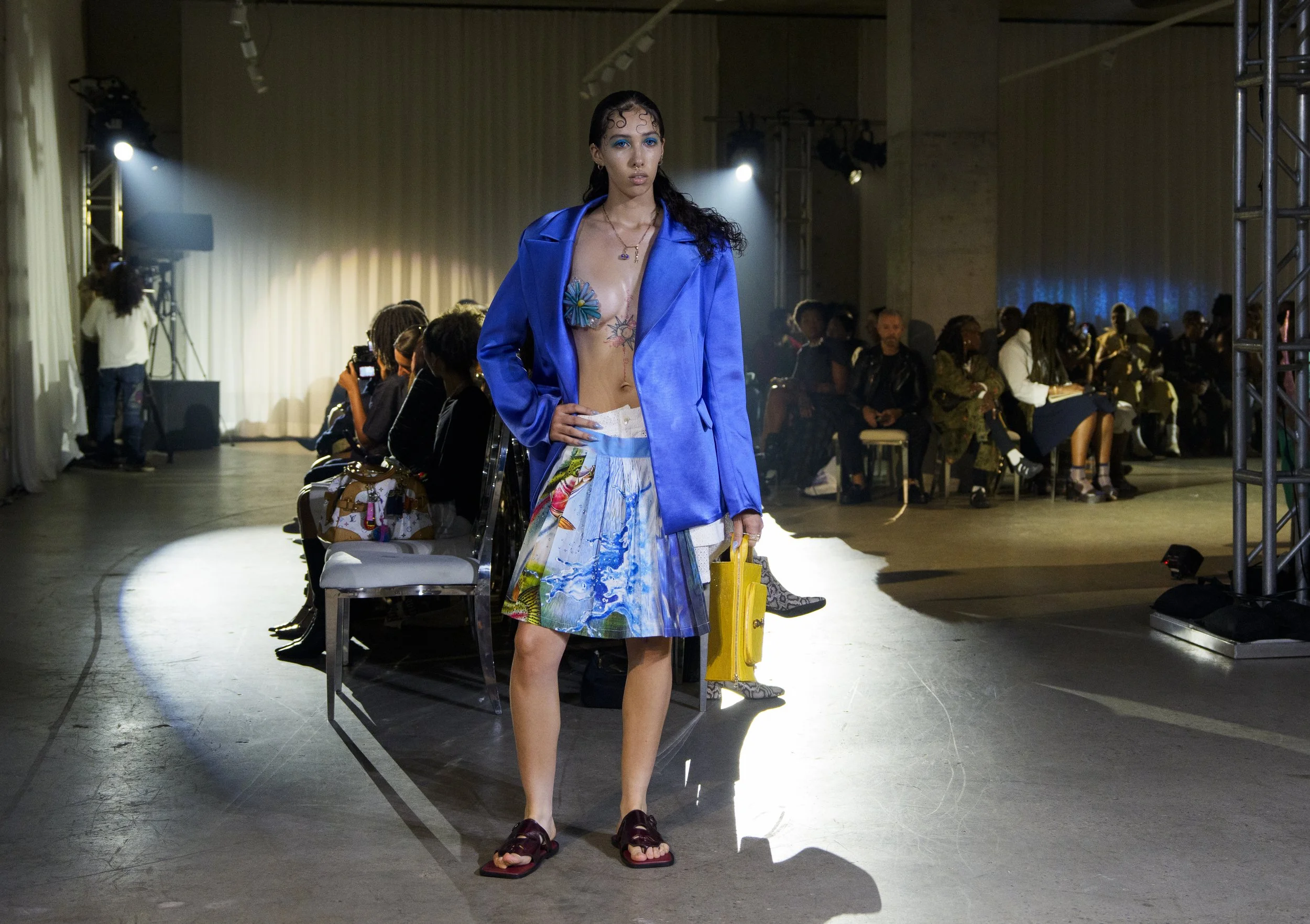
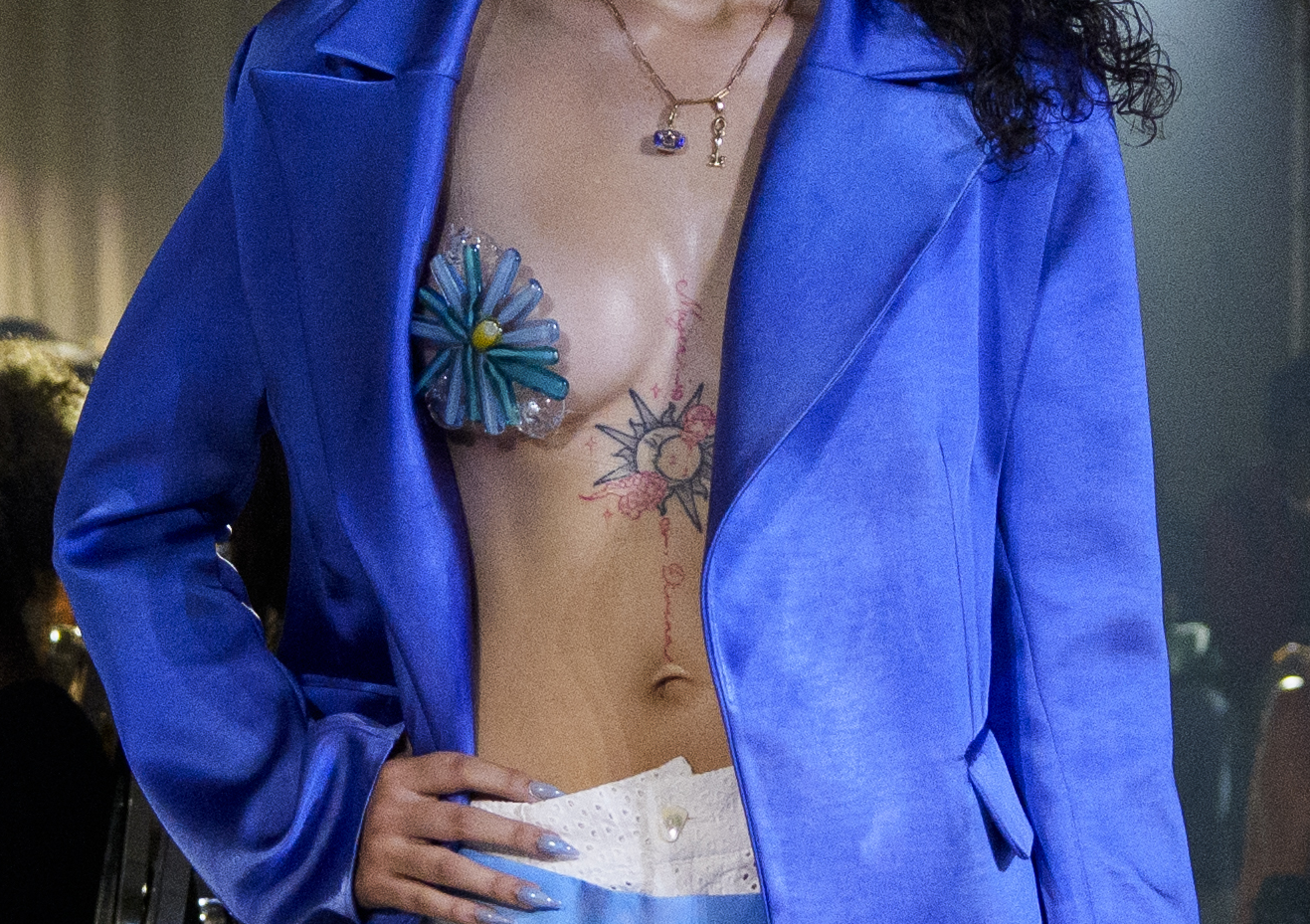
Translating a Conceptual World Into Glass: L’Enchanteur’s L’E Deep Sea
This project began with a concept rather than an object.
L’Enchanteur approached us with a vision rooted in an underwater, deep-sea world—one that drew equally from mythology, imagination, and material experimentation. Rather than focusing on a single piece, the goal was to explore how glass could embody this conceptual language across a range of forms, scales, and uses.
Our role was to translate that world into glass.
From Imagery to Form
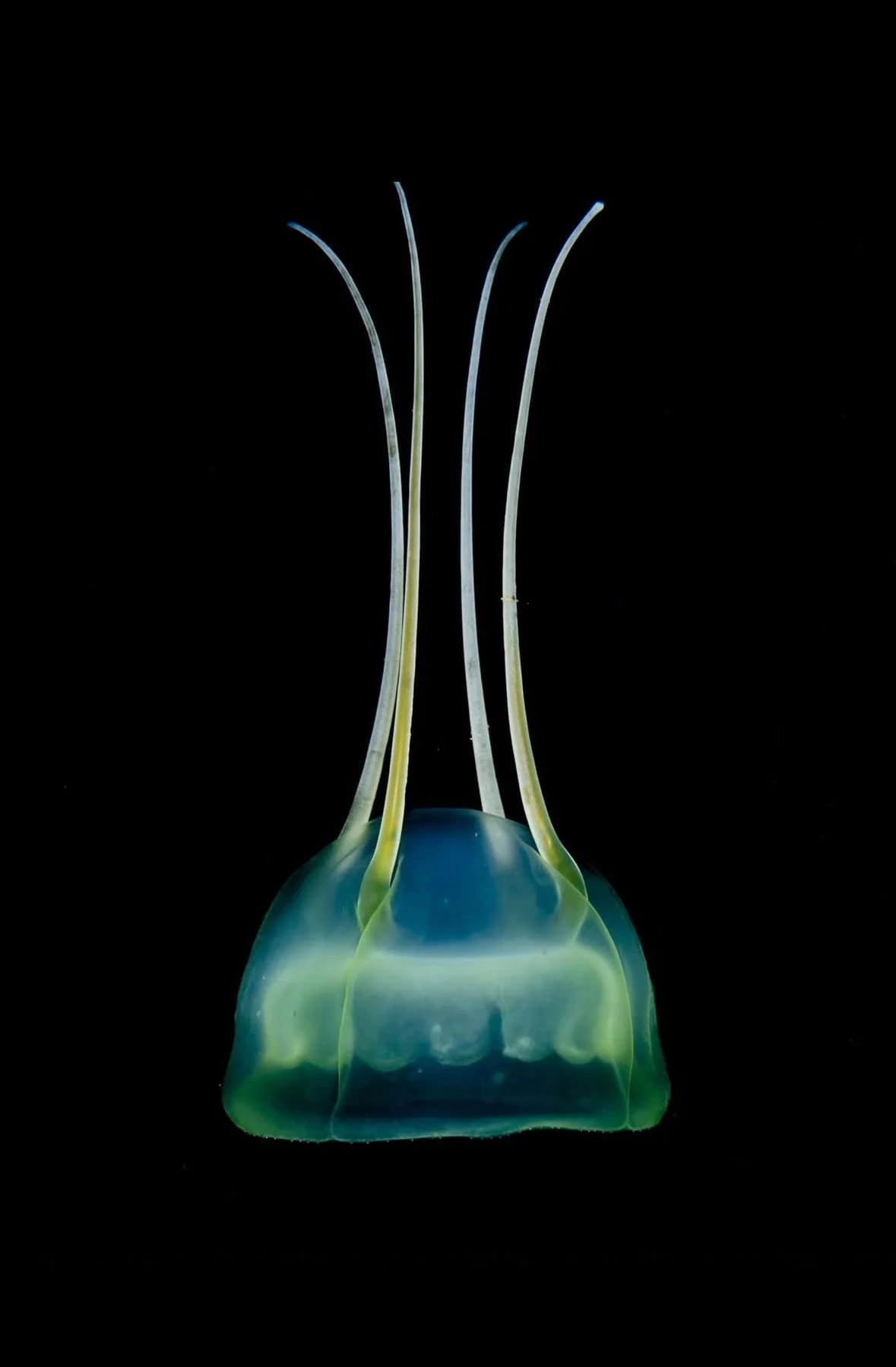
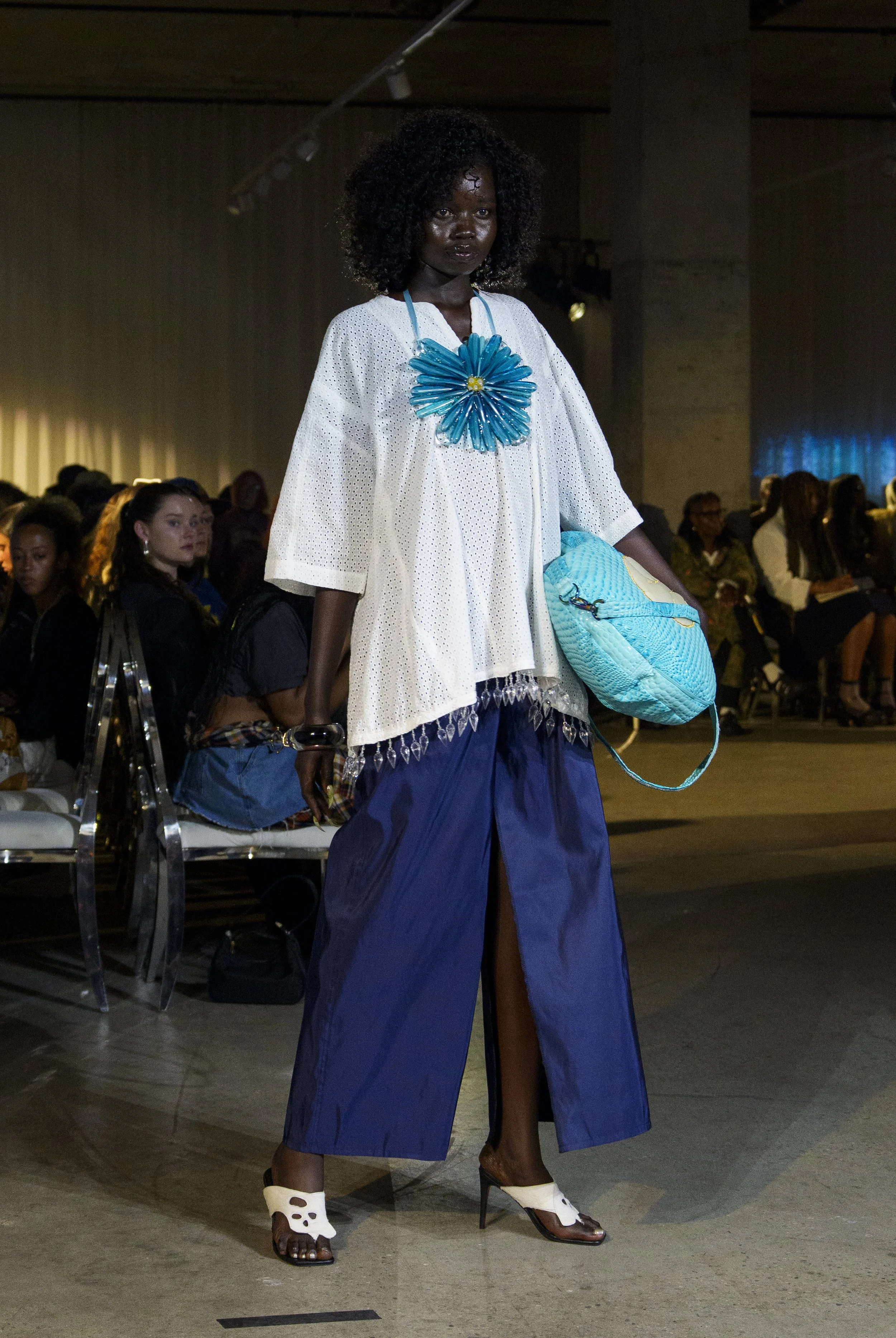
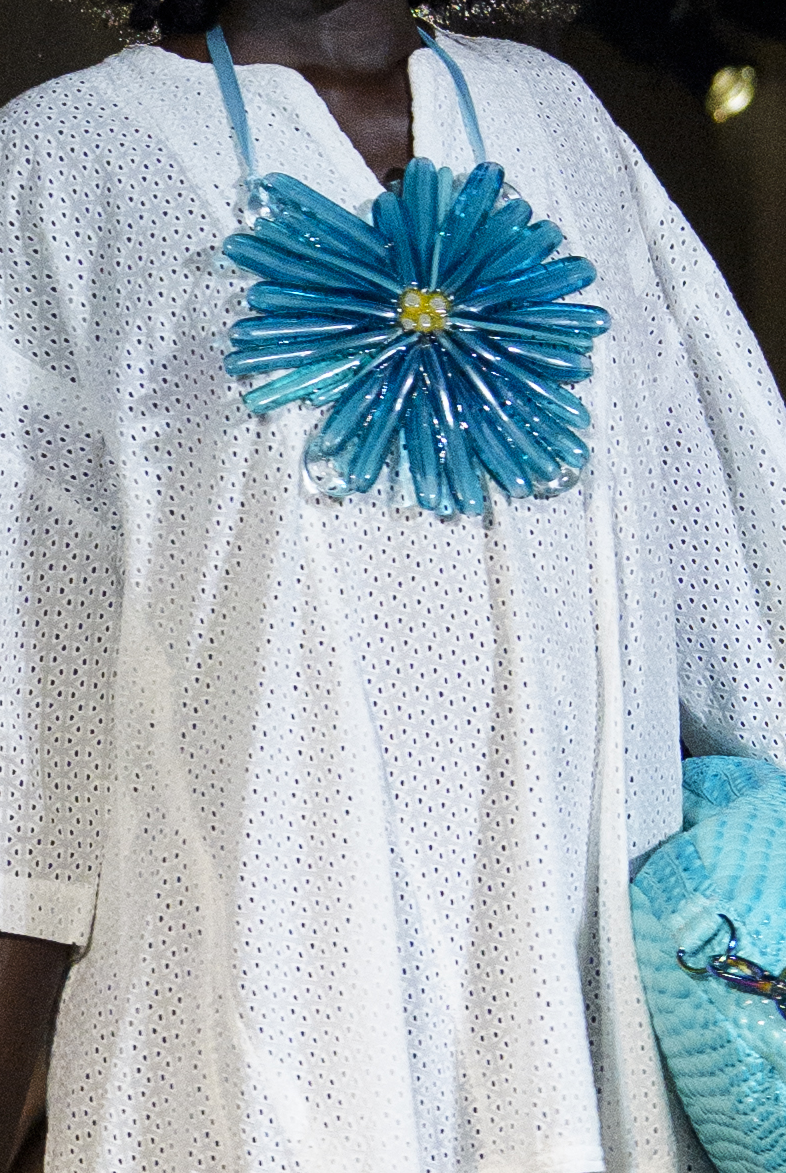
The initial conversations centered on references: images of aquatic creatures, textures found beneath the surface, and forms that felt both organic and unfamiliar. These ideas became the foundation for a series of glass objects that moved fluidly between the sculptural and the wearable.
Working collaboratively, we explored how translucency, color saturation, and surface detail could suggest depth and movement—qualities associated with underwater life—without becoming illustrative or literal. Each form was developed as part of a larger ecosystem, connected by material language rather than uniformity.
A Family of Objects
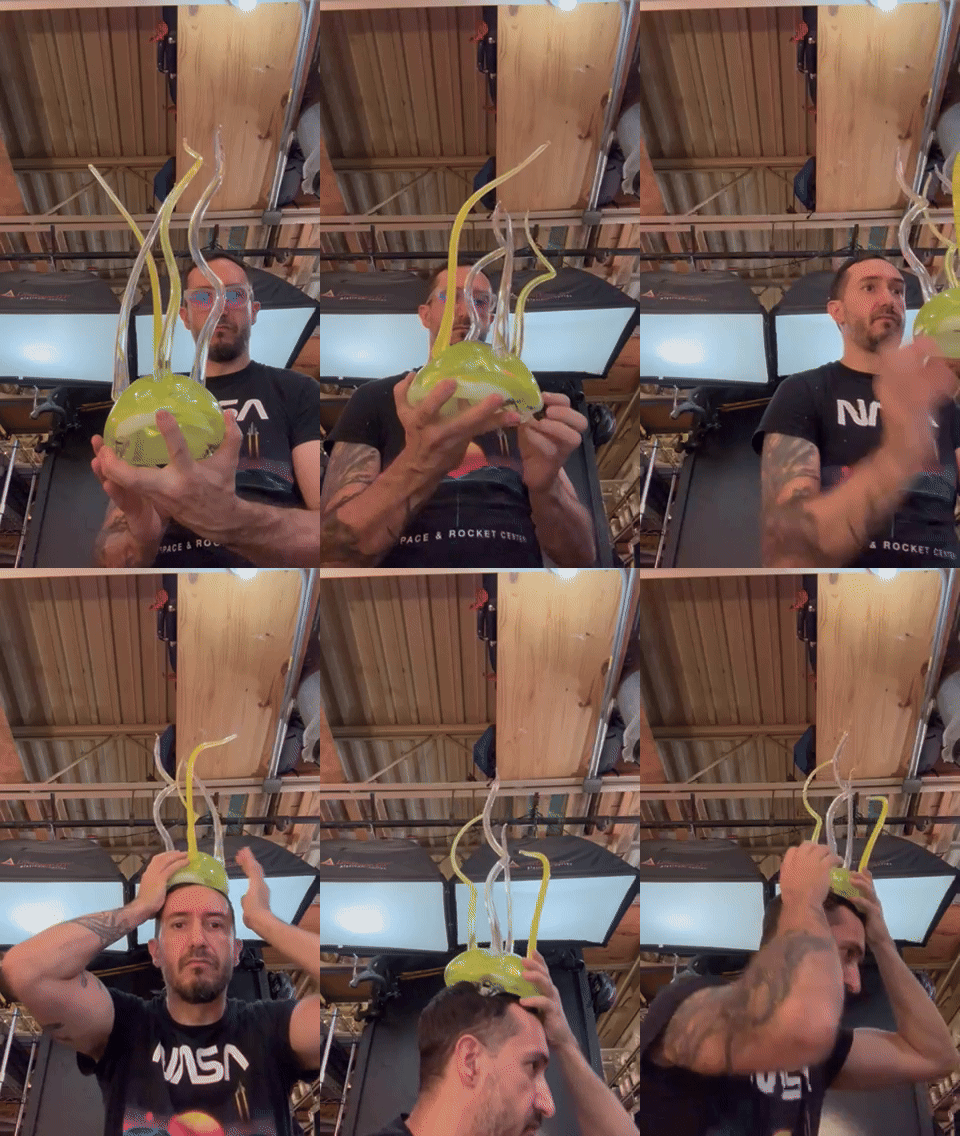
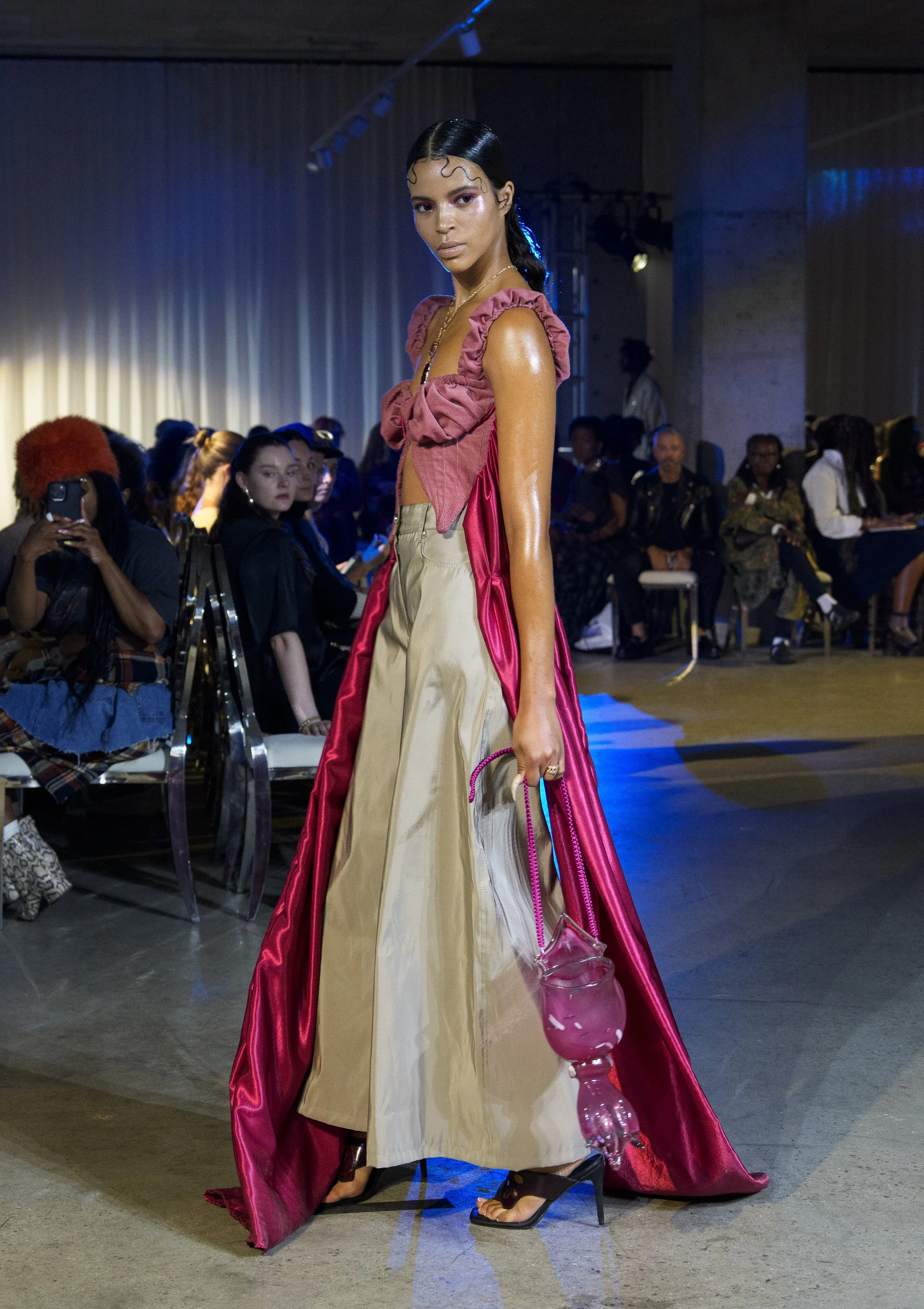
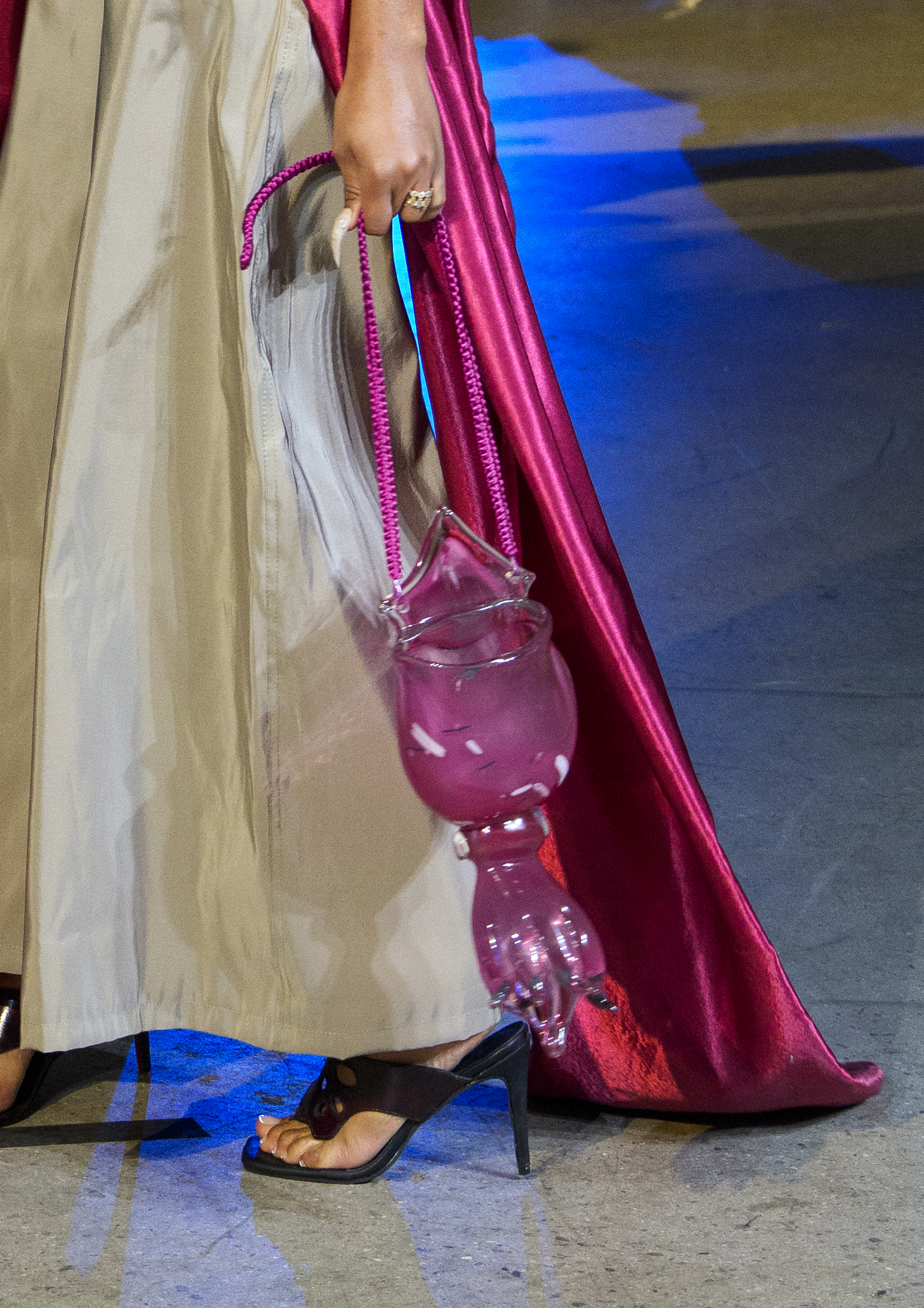
The project expanded into a collection of glass works that shared a common conceptual source while responding to different physical requirements. Some pieces were designed to be worn, others to be held or carried, and others to exist purely as sculptural elements.
Rather than treating these as isolated objects, we approached them as variations within a single system. Decisions around scale, weight, and attachment were informed by how the glass would interact with the body or with other materials, while still preserving the integrity of the forms themselves.
Throughout the process, glassblowing served as the primary means of shaping the work, allowing for subtle variation and responsiveness to the material. Coldworking and finishing were used selectively, supporting the overall language rather than overtaking it.
Glass as a Translational Material
What made this collaboration compelling was the way glass functioned not just as a medium, but as a translator—capable of holding conceptual density while remaining physically precise. The resulting objects do not attempt to depict the deep sea; instead, they echo its qualities through color, surface, and form.
Projects like this highlight the role glass can play in interdisciplinary collaborations, where material decisions are inseparable from conceptual intent. The work exists at the intersection of sculpture, design, and imagination, shaped through close dialogue and experimentation.